
The Next 500 #6: Let's Dance
The Next 500 Greatest Albums of All Time

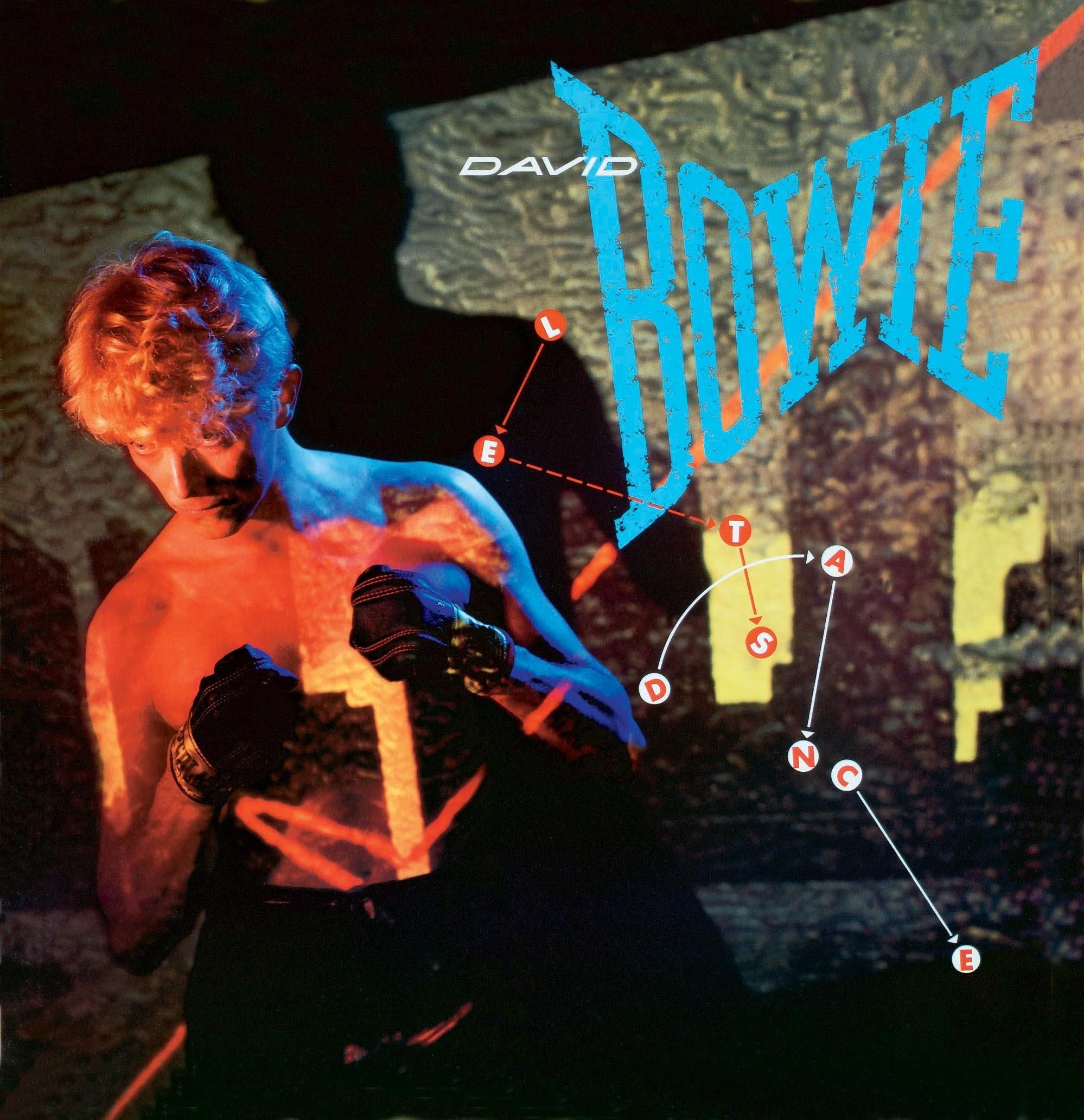
Over the course of reviewing albums on both “The 500 Greatest Albums of All Time” and “The 250 Greatest Albums of the 21st Century So Far,” I have found that some albums aren’t receiving the recognition they deserve. I decided to showcase my personal picks for some of the greatest albums of all time in a series called The Next 500. Perhaps if Rolling Stone did a list of 1000 Greatest Albums of All Time, these would be on it; perhaps not, but these are some of my favourite albums of all time not represented otherwise.
David Bowie, 1983
After exploring Chic and their excellent album Risqué earlier this week, Let’s Dance immediately came to mind. Nile Rodgers was gaining a reputation as a hit maker producer after working with Sister Sledge and Diana Ross along with Bernard Edwards. But David Bowie approached Rodgers in an unlikely collaboration, and it paid off. Let’s Dance is a departure for Bowie, but not unrecognizable.

Bowie in the 80s has become a fascinating topic, as it’s widely seen as a creative nadir for him. After Scary Monsters (And Super Creeps) was released in late 1980, he did not make music for a number of years, for various reasons, some of them personal and some financial. But in 1983 he was free to release new music with a new music deal, and he wanted hits. He leaned hard into MTV, and his 80s image was iconic once again. Let’s Dance was Bowie's most commercially successful album, and while it was a return and rebirth for Bowie, it cost him some fans who decried the shift from his art-rock roots. It was also damaging for him creatively, as, seemingly, he spent the rest of the decade trying to recapture the weirdness that propelled him in the 70s (in the late 90s he would reinvent himself once again, setting up a prolific and dynamic 21st century output). But Let’s Dance, while not his most critically acclaimed album, was his most commercial, and, like all of Bowie’s configurations, fascinating nonetheless.

The first three tracks are “Modern Love,” “China Girl,” and “Let's Dance,” all of which are pop powerhouses. At first, Nile Rodgers’s production doesn’t sound revolutionary, but listening deeper provides a specifically 80s dance rock album with disco adjacency that doesn’t seem to age: “Modern Love” has synths and keys and drum machine-like drums, but it also has horns and backing singers and could easily be from the 60s or 50s. Well, not easily, but it’s not such a stretch. By merging Bowie’s timeless art-rock with Rodgers’s pop-commercial-rock sensibilities, they created something else entirely, strictly 80s but also timeless, adding Let’s Dance to the pantheon of 80s albums that escaped the 90s new romantic purge.
“China Girl” is always going to be problematic, but with Bowie’s own view on racism and truth to power, especially with his videos, it’s easier to see it as a parody of racist views rather than him going along with the flow back in the 80s. At any rate, the song is a banger, an intense dance song but also a sort-of sweet love song with a killer guitar solo from Stevie Ray Vaughan.
“Let’s Dance” is a more Bowie song, with a dark tinge to the horns and percussion. Rodgers’s rhythm guitar is more prevalent on this one - most of Chic also backs him on this one. The refrain of “serious moonlight” is an extremely Bowie-esque lyric. It’s another fantastic song that still sounds great.
“Without You” is a low-key great song, a deep cut for sure, but still an excellent track. “Ricochet” I can take it or leave it; it’s easily the weakest on the album. The cover of Metro’s “Criminal World” is superb. Bowie’s ability to cover great songs and make them not only his own but better, or at least new, is uncanny.
“Cat People (Putting Out Fire),” written with Giorgio Moroder for a film of the same name, is an excellent track and perfectly weird, suiting Bowie. This one, admittedly, seems a little more “80s” than the others. Finally, the closing track is “Shake It,” and this really sounds like it could be a Chic song - Rodgers’s influence really comes through, and the partnership with Bowie on this album is really clear. It’s another great cut, an 80s song yet out of time.
Again, the most interesting thing about this album is its ability to be rooted in the 80s production, and see incredible commercial success as a result, but also remain listenable through each subsequent period. The Wedding Singer, from 1995 but set in the mid-80s, features “China Girl” prominently, and it wasn’t a gag or punchline; not that any of the songs featured were punchlines - they were all treated with reverence for the era. Bowie also features prominently in 1997’s Grosse Pointe Blank, with the characters attending their 10-year high school reunion. This time, it’s “Under Pressure,” not on Let’s Dance but written just a year earlier. Bowie has an ability to be relevant in any time period, with any generation.
The other incredible thing about this album is Stevie Ray Vaughan on lead guitar. Bowie saw him play at the Montreux Jazz Festival in 1982 and invited him to the recording sessions - Vaughan’s debut album with Double Trouble had not yet been released. Bowie has always had great guitarists, from Mick Ronson and Robert Fripp to Carlos Alomar and Adrian Belew, but hearing Vaughan play on these tracks adds another element that lifts them up beyond the 80s pop production, making them blues tracks, and just shredding in a few instances. He’s such a talent, and it’s another uncanny ability of Bowie’s to spot a collaboration that will make both artists better.
Overall, Let’s Dance suffers from its own place in Bowie’s individual pantheon. Between “The 500 Greatest Albums of All Time” and “The 250 Greatest Albums of the 21st Century,” Bowie is represented by six albums (and that’s not even including “Heroes”) and so Let’s Dance falls behind in comparison with his own greatest albums. But’s it’s a great album nonetheless, and deserves a place in The Next 500.
https://youtu.be/hUynNbieYPI?si=Noz_UFPSURl0P3YD
Perfect record for a Friday evening after work when you’re getting ready to go out to have fun. An awesome vibe setter.